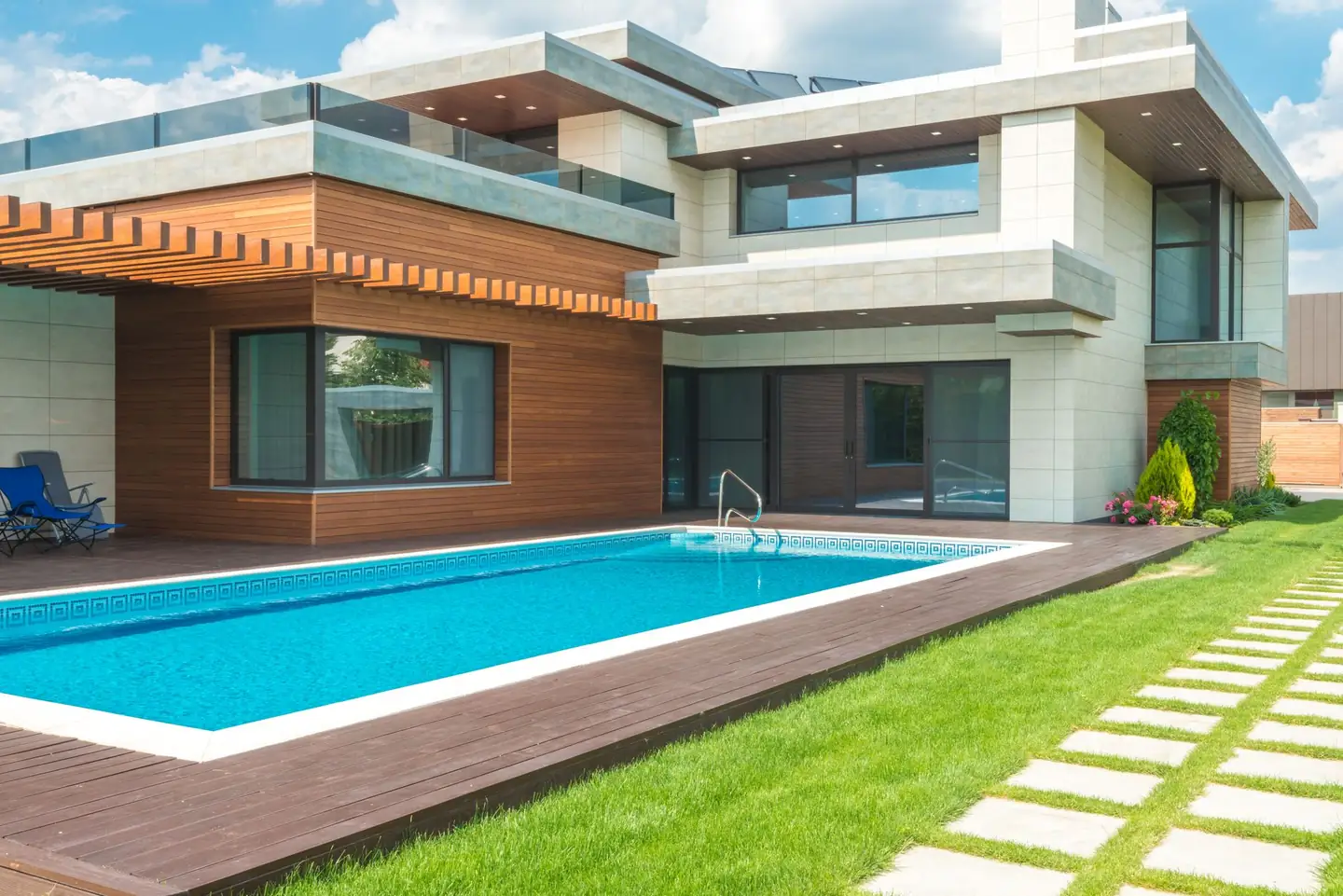
Our Pool Building Services in Tabbita
-
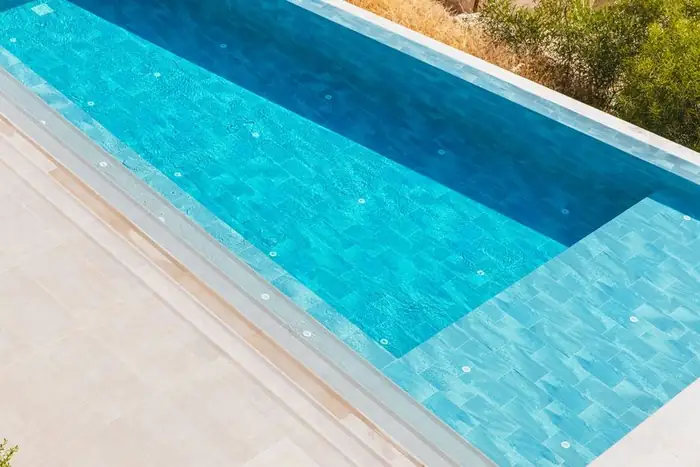
Concrete Pool Construction in Tabbita
Engineered, steel-reinforced concrete pools built to last for decades across Tabbita and the wider Wagga Wagga area.
-
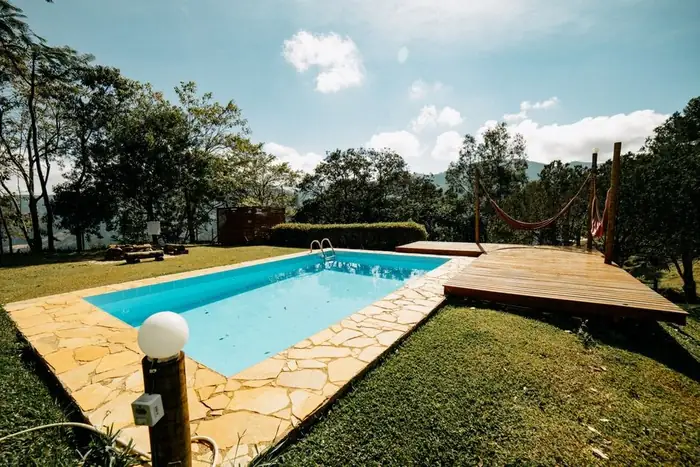
Fibreglass Pool Installation in Tabbita
Cost-effective fibreglass pools in a wide range of modern shapes and colours, well suited to most Tabbita backyards.
-
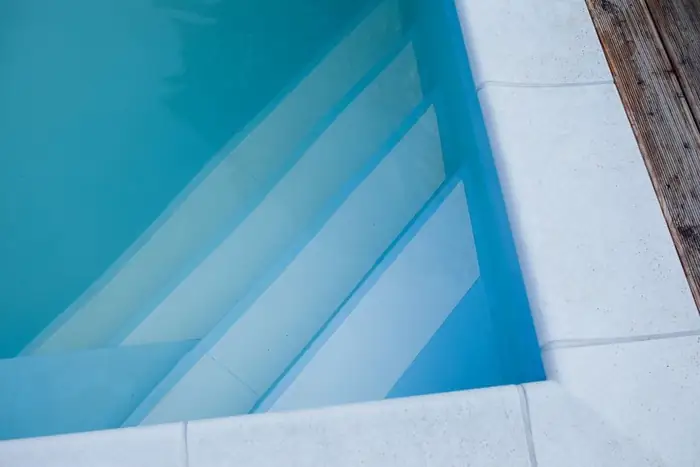
Plunge Pool Construction in Tabbita
Compact plunge pools that bring deep, cooling water to small Tabbita yards, terraces and tight courtyards.
-
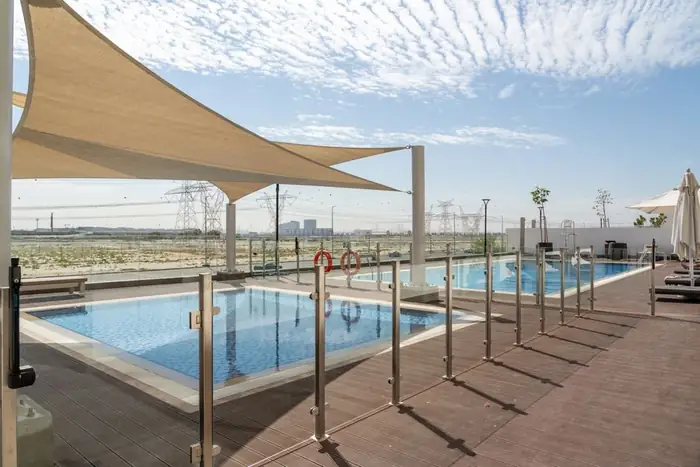
Pool Fencing & Safety Barriers in Tabbita
Glass and aluminium pool fences engineered for Riverina conditions and certified for the NSW Swimming Pools Register.
-
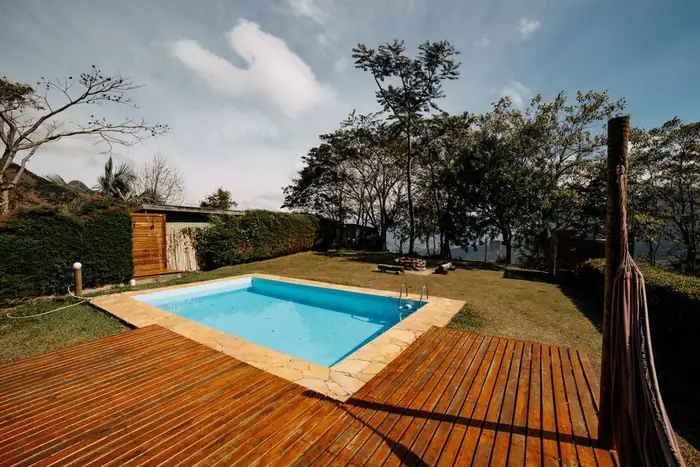
Pool Decking & Paving in Tabbita
Durable decking and paving framing your Tabbita pool, chosen to handle splash-out, heat and the Riverina climate.
-
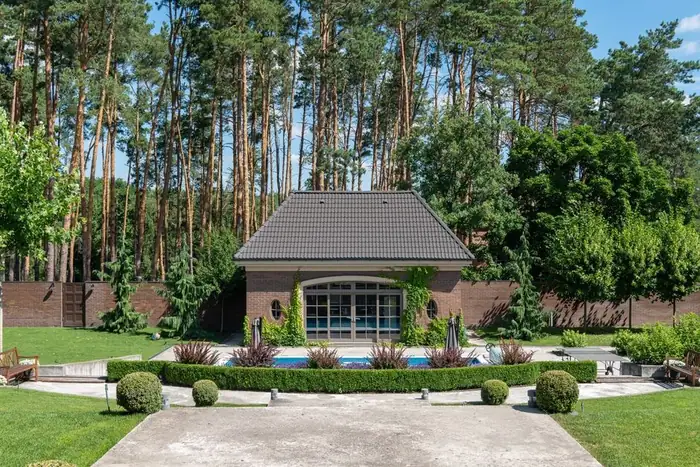
Pool Landscaping & Surrounds in Tabbita
Pool surrounds designed for Wagga Wagga blocks and the Riverina climate, using durable, low-maintenance materials around the water.
Planning Your Tabbita Pool, Start to Finish
A pool changes how a household uses its outdoor space through a Riverina summer, and the building of one runs through a clear sequence of stages. A Tabbita builder assesses the site first, looking at access, fall and the position of services and trees, then settles on a design and a pool type that genuinely fit the block rather than forcing a standard shape onto an awkward yard. From there the project moves through approval, excavation, the pool shell, the plumbing and filtration, the compliant barrier and the finishing trades. Concrete pools are formed and sprayed on site and can be shaped to almost any brief; fibreglass shells are craned in and install considerably faster. Either path is workable in Tabbita given the right preparation. Local knowledge matters at every step, because what is achievable on a flat double block differs from what suits a sloping or narrow site, and the approval route varies with the property and the relevant Wagga Wagga controls. Managing the trades in the right order keeps a build moving and avoids the delays that come from poor sequencing. The aim throughout is a pool that suits your family, your yard and the way you actually intend to use it.
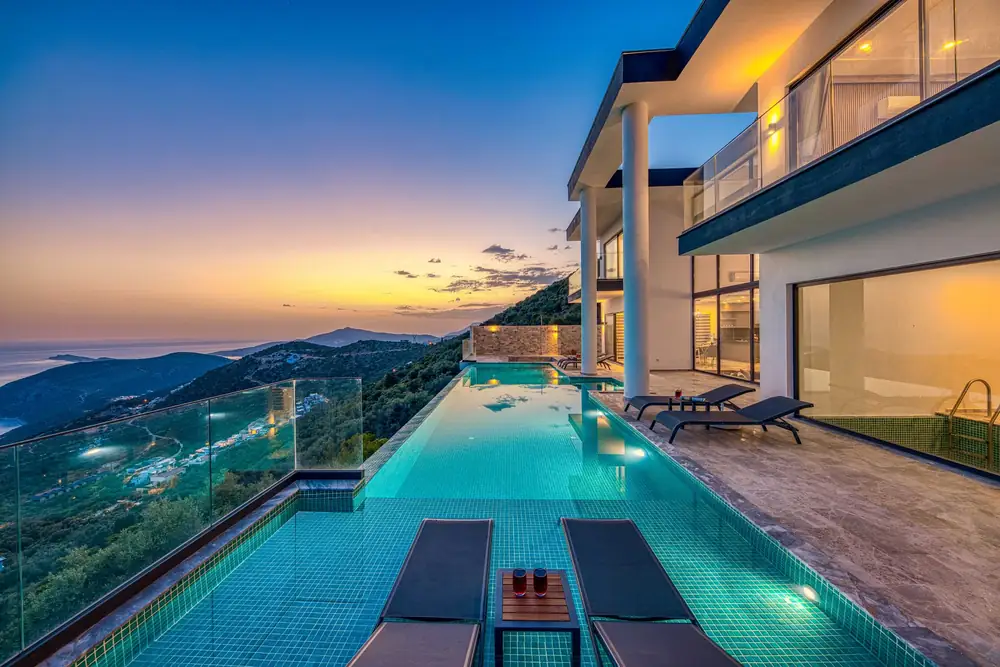
From New Builds to Renovations in Tabbita
Pool work across Tabbita covers far more than a single standard build. New pools are constructed in both concrete and fibreglass: concrete is formed and sprayed on site and can be shaped to almost any design, including feature edges and integrated spas, while fibreglass arrives as a moulded shell and installs in a fraction of the time. For smaller Wagga Wagga blocks there are plunge pools that pack a cooling pool into a tight courtyard, and for the fitness-minded there are lap pools that fit along a narrow side yard. Beyond new construction, plenty of Tabbita homes need renovation rather than a fresh build, whether that means resurfacing a worn interior, reshaping an older pool, replacing tired paving or upgrading dated filtration. Safety fencing is a service in its own right, since every pool in New South Wales must carry a barrier meeting AS 1926.1, and heating systems extend the swimming season well beyond the warmest weeks. Landscaping and paving turn the area around a pool into a usable outdoor space rather than a bare slab. Taken together, this range means a homeowner in Tabbita can build new, modernise an existing pool, or address a single element such as fencing or resurfacing as a standalone job.
- Concrete Pool Construction in Tabbita
- Fibreglass Pool Installation in Tabbita
- Plunge Pool Construction in Tabbita
- Lap Pool Construction in Tabbita
- Infinity & Wet-Edge Pools in Tabbita
- Small & Courtyard Pools in Tabbita
- Pool Renovation & Remodelling in Tabbita
- Pool Resurfacing & Interiors in Tabbita
- Pool Fencing & Safety Barriers in Tabbita
- Pool Landscaping & Surrounds in Tabbita
- Pool Decking & Paving in Tabbita
- Pool Heating & Solar in Tabbita
- Saltwater Pool Systems in Tabbita
- Mineral Pool Systems in Tabbita
- Spa & Spa-Pool Installation in Tabbita
- Pool Repairs & Leak Detection in Tabbita
Matching the Pool to Your Tabbita Block
There is no single best pool for Tabbita, only the type that fits a particular block, budget and use. Concrete pools lead on flexibility because they are built on site and can be shaped to almost any brief, which is why they suit sloping Wagga Wagga blocks, feature designs and split levels; they are the costlier option, broadly $55,000 to $120,000 or more, and they take longer to complete. Fibreglass pools answer the homeowner who wants to be swimming sooner and spending less, with a craned-in shell, a smooth low-upkeep finish and a typical installed price of $35,000 to $75,000, set against a fixed choice of shapes. For smaller yards a plunge pool delivers a deep, cooling pool in a tight space, and a lap pool turns a slim side run into a fitness lane. A courtyard pool works on a terrace where a full design will not fit, and an infinity edge suits a raised Riverina block where the water can appear to meet the horizon. Reading the block honestly, including its access, fall and the way the sun tracks across it, and then setting that against budget and intended use, is what guides a Tabbita household to the pool type that genuinely suits its home.
Matching the Pool to Your Tabbita Block
Most Tabbita pool decisions start with concrete versus fibreglass, then widen to a couple of specialist options for tighter blocks. Concrete is the pick when design freedom and longevity matter most, because it is built on site and can take any shape, depth or feature and can be engineered to fit a sloping or irregular Wagga Wagga block. It is, however, the dearer and slower route. Fibreglass answers a different brief, with a factory-moulded shell craned into place for a fast install, a hard-wearing low-maintenance surface and lower ongoing costs, accepting that the range of shapes and sizes is fixed. Where space is limited, a plunge pool concentrates a deep, refreshing pool into a small Tabbita courtyard and can be fitted with jets and heating for year-round use, and a lap pool transforms a long, narrow Riverina block into a private lane for exercise. Choosing well is a matter of matching the pool to three things: the size and shape of the block, the budget, and the main reason for the pool, whether that is cooling off, entertaining, swimming laps or making a feature of the backyard. Line those up against each type's strengths and the best fit for the Tabbita home is straightforward to see.
What Happens During a Tabbita Pool Build
The order of work on a Tabbita pool rarely changes, and each stage sets up the next. Design and a fixed price come first, settling the pool's size, position and inclusions against the realities of the site. Approval follows, taking one of two NSW routes depending on the block: a CDC signed off by a private certifier, or a DA assessed by Wagga Wagga council. Set-out then transfers the design onto the ground and excavation begins, the depth and difficulty governed by the soil and any rock under the surface across Riverina. Reinforcing steel and the underground plumbing are installed, after which the shell is built. A concrete shell is sprayed against the steel and formed in place, giving full control of shape; a fibreglass shell arrives complete and is craned in, which is why it lands so quickly. Once the shell is set, attention turns to the surrounds: paving and coping, an AS 1926.1 safety barrier, the interior finish and filling. Filtration, the chlorinator or mineral system and any heating are then commissioned. The whole process in Wagga Wagga typically runs a number of weeks for fibreglass and a few months for a custom concrete pool, with weather the most common variable.
The Numbers Behind a Tabbita Pool Build
A pool in Tabbita is a significant investment, and the final figure depends far more on specifics than on any single rule of thumb. For orientation, fibreglass pools in Wagga Wagga are usually installed for $35,000 to $75,000, and concrete pools for about $55,000 to $120,000 or higher on bigger projects. The type and size set the baseline, after which the character of the site does most of the work in shaping the price. Awkward access can mean a smaller machine and more time on the dig, and rock found in the Riverina ground turns a routine excavation into a slower, costlier one. Sloping blocks may need retaining walls, and choices around tiling, coping, paving, decking and landscaping all lift the total well past the shell alone. Equipment such as heating, a saltwater or mineral system and lighting also feed into the number. Rather than a vague estimate, an itemised fixed-price scope lays each of these out as separate lines for the Tabbita project, identifies any provisional sums, and states clearly what is and is not included, giving a homeowner a number that genuinely reflects their block. The shell may be the headline, but on many Wagga Wagga jobs the surrounds, access and finishes together account for as much of the budget as the pool.
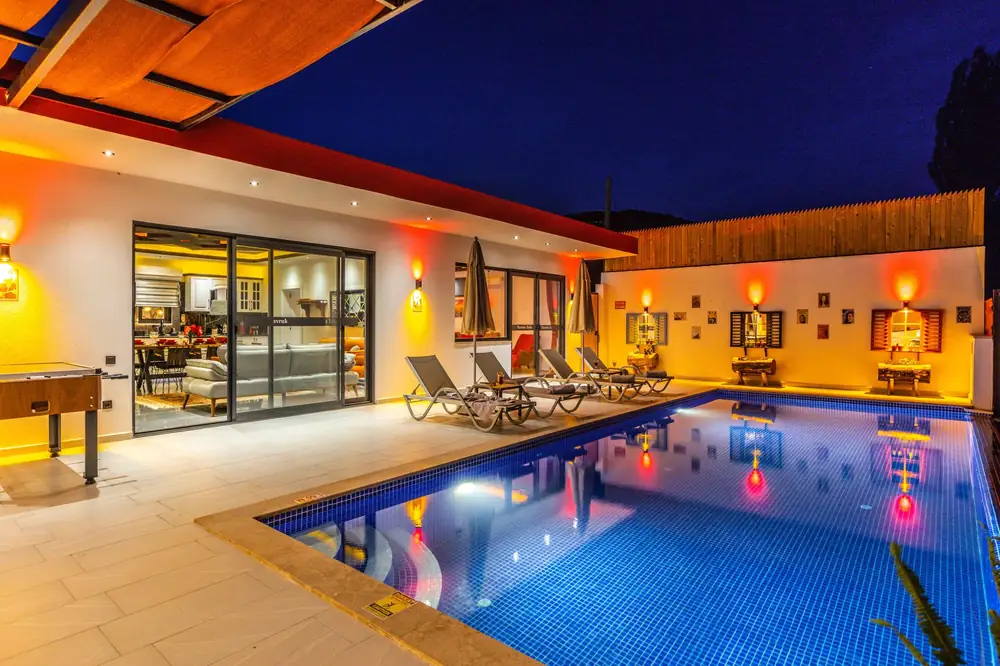
Council Approval and Pool Compliance in Tabbita
The New South Wales rules around pools exist to keep them safe, and they are easier to follow when the pieces are clear. Approval is required before construction, and there are two routes. The faster one is a Complying Development Certificate, issued by a private certifier for pools on standard blocks that meet the complying development criteria. The other is a Development Application through Wagga Wagga council, used where the block, planning controls or the pool design require a full assessment. Once approved and built, the pool must carry a barrier that complies with AS 1926.1, meaning a fence at least 1200 millimetres tall, a self-closing and self-latching gate, and a non-climbable zone maintained around it so it cannot be climbed. The pool then has to be registered on the NSW Swimming Pools Register before it is used, with a compliance certificate confirming the barrier is correct. The construction phase itself is carried out under SafeWork NSW obligations covering the safety of everyone on site. For a Tabbita household the reassurance is that this is a well-trodden path: approval, a compliant barrier and registration, handled in order, deliver a Wagga Wagga pool that meets the law and is safe for a family to use.
About the Pool Builders Serving Riverina
Behind every good pool in Tabbita is a builder who knows the area, and that is what Aussie Pool Builder brings to Wagga Wagga and the wider Riverina. The team is licensed and insured for residential pool construction in New South Wales and works alongside local trades who understand the conditions across these suburbs. The value of that local grounding shows up throughout a build. Access is rarely uniform in Tabbita, where side passages, slopes and shared driveways differ from one home to the next, and a builder who has navigated them before can plan excavation and craneage without guesswork. The ground varies just as much, with soil, rock and drainage across Wagga Wagga affecting both the engineering and the cost, which is why an experienced eye on the site before digging is so useful. The approval route is another area where local knowledge pays off, since a build in New South Wales proceeds either as a Complying Development Certificate through a private certifier or as a Development Application through council, and the right choice depends on the specifics of the block. With compliant fencing to AS 1926.1 and listing on the NSW Swimming Pools Register also part of the picture, a builder who genuinely knows Tabbita is well placed to deliver a sound, lasting pool.
Signs of a Dependable Tabbita Pool Builder
Sorting a sound Tabbita pool builder from a chancy one is mostly a matter of verifying a few essentials. The licence is paramount, because every builder carrying out residential work in New South Wales must hold a current licence, and a homeowner can independently confirm it through NSW Fair Trading rather than assuming it exists. Public liability insurance is the next thing to establish, since it is the safeguard against the cost of damage or injury during the build. The contract carries equal weight: a reliable builder offers a written, fixed-price scope listing the shell, the filtration, the fencing, the paving and any provisional sums, which keeps the final cost honest. Recent Wagga Wagga references and visible local work help confirm a builder does what it says. Certain behaviours should put a homeowner on guard. The most common is a request for a large cash deposit, which a legitimate Tabbita builder has no reason to make; close behind are reluctance to detail inclusions in writing and an inability to show recent Riverina projects. A genuinely dependable builder will, without prompting, be clear about the approval route, the AS 1926.1 fencing standard and the requirement to list a pool on the NSW Swimming Pools Register before use.
Site Conditions That Shape a Tabbita Pool
Building a pool in Tabbita draws on a good deal of local knowledge, because the block, the ground and the council requirements all shape the job. Lot sizes and side access vary widely across Wagga Wagga, and access in particular decides whether an excavator and crane can reach the pool area or whether smaller machinery and a longer dig are needed; a narrow side passage often determines the practical limits before any design is drawn. Soil and rock differ from street to street, and a site with shallow rock will need more excavation and engineering than one on workable ground, which feeds directly into the cost and the program. Established trees, root systems and slope add their own constraints, since a sloping block may need retaining or a raised edge and a mature tree must be worked around or protected. Wagga Wagga council requirements set the approval path, with most pools running as a Complying Development Certificate through a private certifier or a Development Application lodged with council, and the Riverina conditions influence the build through soil, weather and site exposure. A builder who knows Tabbita reads these factors early and plans the job around them rather than meeting them as surprises on site.
Building Pools in Riverina, New South Wales
The Riverina is hot, dry inland country running through Wagga Wagga, Griffith and the irrigation districts, with long summers regularly pushing into the high thirties and low forties. That heat gives the region one of the longer practical swimming seasons in inland New South Wales, often October to April, and a pool is genuinely used here rather than admired. Soils are largely heavy riverine clay and silt over the Murrumbidgee floodplain, which holds water, shrinks and swells with the seasons, and demands properly engineered footings and backfill. Some river-flat blocks near Tabbita sit in mapped flood zones, so finished pool and equipment levels need checking against council flood data. Open, exposed yards mean evaporation and wind are real considerations, and a fence line or planting that breaks the hot northerly keeps the water more comfortable across Wagga Wagga.
Tabbita Pool Building FAQs
- How much does a new swimming pool cost in Tabbita?
- Cost depends on type, size, site access and finishes. As a guide in Tabbita, an installed fibreglass pool typically runs $35,000 to $75,000, while a custom concrete pool generally sits between $55,000 and $120,000 or more for larger designs. Rock excavation, retaining walls, premium tiling and landscaping all move the final figure on a Wagga Wagga block.
- Concrete or fibreglass: which suits Tabbita better?
- Both perform well; the decision usually rests on your Tabbita block and goals. Concrete is the pick for a fully custom shape, feature edges or a difficult Riverina site, while fibreglass wins on speed, value and low upkeep. Concrete is formed and sprayed on site; fibreglass arrives as a moulded shell and installs in a fraction of the time.
- How long does it take to build a pool in Tabbita?
- A fibreglass pool can be installed in roughly one to two weeks once approvals are in place, because the shell is manufactured off site and craned in. A custom concrete pool usually takes several weeks to a few months, since it is formed, sprayed, cured and finished on site. Access and Riverina weather both affect the schedule on a Tabbita job.
- Is council approval required to build a pool in Tabbita?
- Almost every pool in New South Wales needs approval before construction, either a fast-tracked Complying Development Certificate through a registered certifier or a Development Application through Wagga Wagga. The right route hinges on your Tabbita property and the relevant planning controls, and the paperwork is a standard part of the build process.
- How long does pool approval take in Tabbita?
- It depends on the pathway. A Complying Development Certificate through a private certifier is the faster option and is often determined within a few weeks where the design clearly meets the standards. A Development Application through Wagga Wagga council generally takes longer, commonly a couple of months, as it allows for assessment and any required notification in Tabbita.
- What fencing does a pool need in Tabbita?
- All pools in Tabbita require a safety barrier built to AS 1926.1, covering fence height, a self-closing and self-latching gate and non-climbable zones. Options include frameless glass, semi-frameless glass and tubular aluminium. The barrier is inspected for compliance and the pool is recorded on the NSW Swimming Pools Register as part of finishing the job in Wagga Wagga.
- What ongoing maintenance and running costs should I expect?
- Running costs in Tabbita cover electricity for the pump, chemicals, and occasional water top-ups, plus more if the pool is heated. Most owners spend a moderate amount each week. An energy-efficient pump, a saltwater or mineral system and a pool cover all bring those costs down, and fibreglass interiors generally need fewer chemicals than other finishes.
- Is a pool possible on a tight or sloping site in Tabbita?
- Small and sloping blocks are common across Tabbita and Wagga Wagga, and pools are built on them regularly. A plunge pool suits a compact yard, while a sloping site may require retaining walls or an elevated, partly raised pool. Engineering for slope, side access and rock is a normal part of building on a difficult Riverina block.
- Pool heating: can I extend the swim season in Tabbita?
- Yes. Solar, heat-pump and gas heating each extend the swimming season for Tabbita pools. Solar is the most economical to run in sunny Riverina suburbs, heat pumps deliver reliable warmth on demand, and gas heats quickly for occasional use. Pairing any system with a pool cover holds the heat in and cuts running costs noticeably.
- What is the difference between salt, mineral and chlorine pools in Tabbita?
- All three keep a Tabbita pool clean; they differ in feel, cost and handling. Saltwater chlorination is popular for soft water and minimal chemical handling, mineral systems add magnesium for a silkier swim favoured by health-conscious owners, and manual chlorine remains the cheapest to set up. Salt and mineral systems can be fitted to new Wagga Wagga builds or retrofitted to an existing pool.
- What does a standard pool build cover in Tabbita?
- A typical pool build in Tabbita brings together excavation, the shell, filtration and plumbing, fencing, paving and the interior, with landscaping often added. Access is the key practical factor: excavators and a concrete pump or a delivery crane need a usable path to the site. Where access is tight, the build is planned around it, and the inclusions are confirmed in writing for the Wagga Wagga job.
- Do you offer a warranty on your pools?
- Yes. Pools built in Tabbita carry a structural warranty, and fibreglass shells include the manufacturer's warranty on the shell itself. The work is carried out by builders fully licensed and insured for residential construction in New South Wales, and the cover that applies to your build is set out clearly in the contract before work begins.
Areas We Cover Around Tabbita
Boree Creek Pool Builders
Goolgowi Pool Builders
Grong Grong Pool Builders
Gumly Gumly Pool Builders
Humula Pool Builders
Ladysmith Pool Builders
Mangoplah Pool Builders
Marrar Pool Builders
Matong Pool Builders
Merriwagga Pool Builders
Murrulebale Pool Builders
Oberne Pool Builders
Old Junee Pool Builders
Tarcutta Pool Builders
Uranquinty Pool Builders
Adelong Pool Builders
Bangadang Pool Builders
Califat Pool Builders
Cooleys Creek Pool Builders
Darlow Pool Builders
Grahamstown Pool Builders
Mount Adrah Pool Builders
Mount Horeb Pool Builders
Mundarlo Pool Builders
Sandy Gully Pool Builders
Sharps Creek Pool Builders
The Grove Pool Builders
Tumblong Pool Builders
Westwood Pool Builders
Wondalga Pool Builders
Yaven Creek Pool Builders
Forest Hill Pool Builders
Yarara Pool Builders